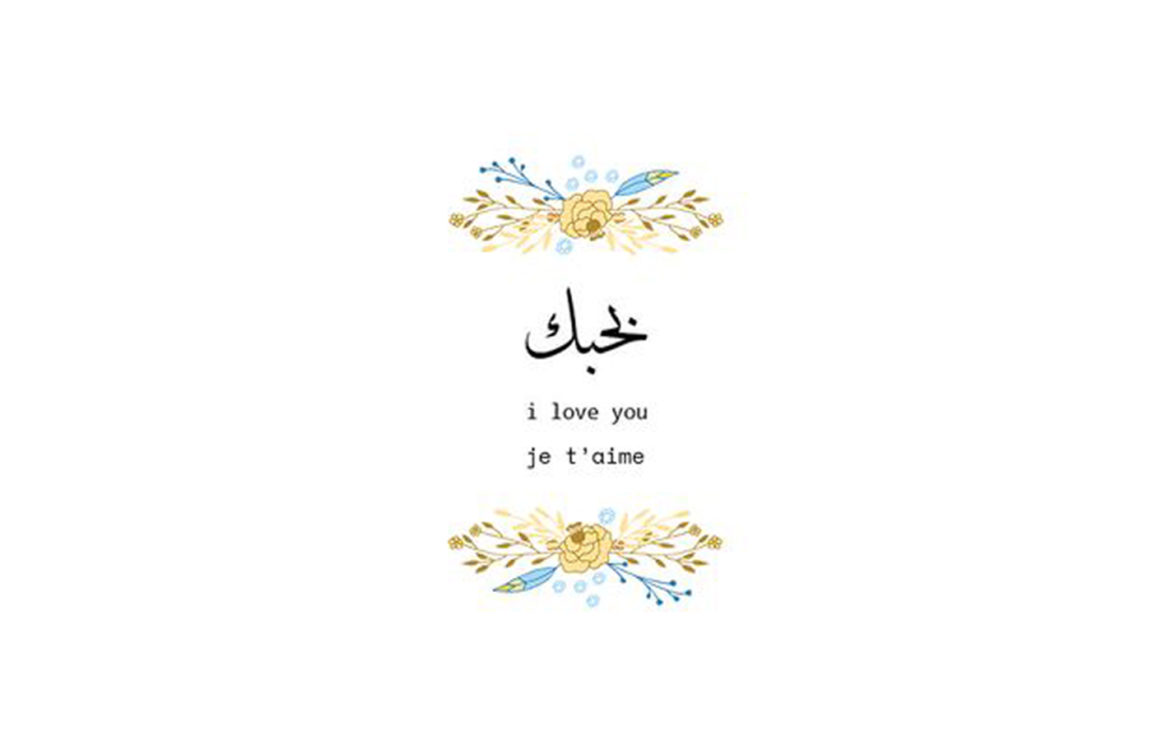
Je T Aime Beaucoup En Arabe
traduction t'aime beaucoup dans le dictionnaire Français - Arabe de Reverso, voir aussi 'aimer',abîme',animé',âme', conjugaison, expressions idiomatiques On dit généralement b...
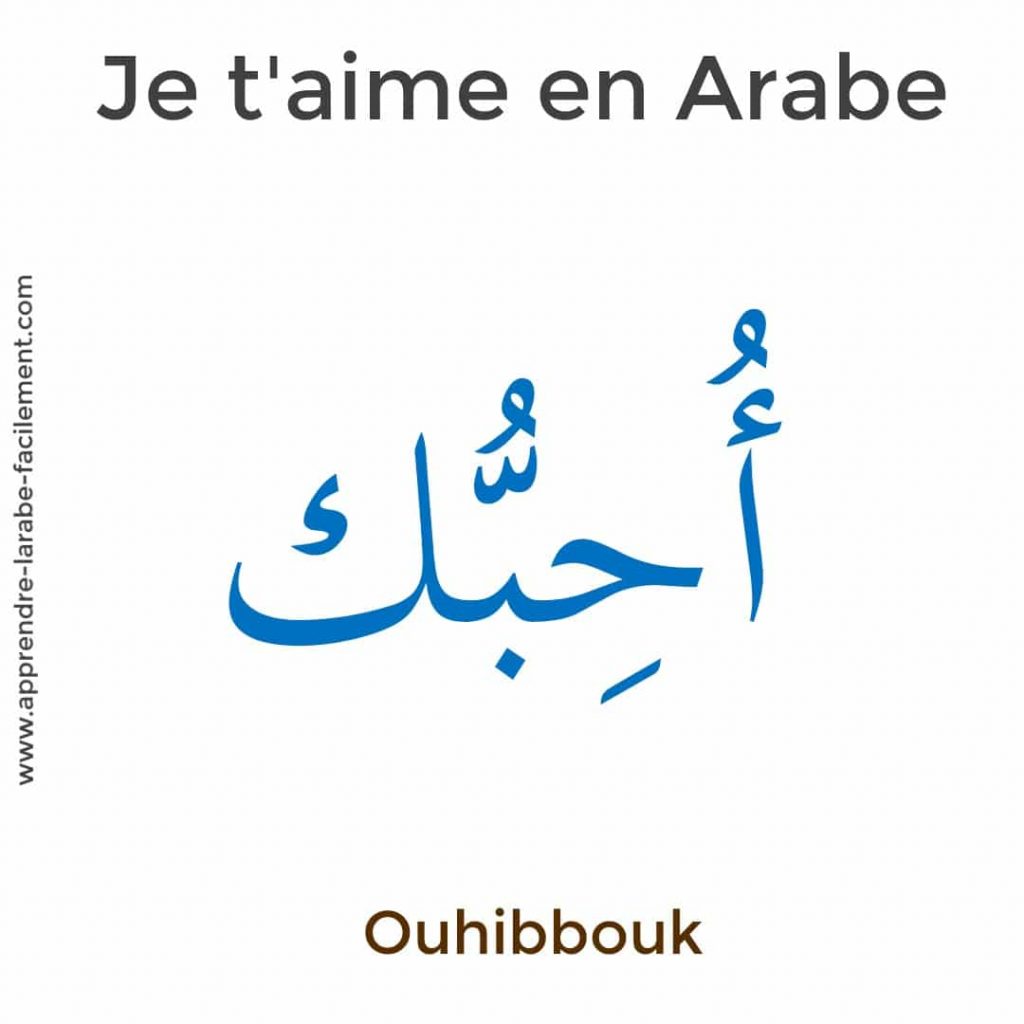
Je t’aime beaucoup en arabe is a phrase of endearment that translates to “I love you very much” in French. This phrase is used to express strong feelings of love and affection towards someone else. It is one of the most commonly used phrases in the French language, and it is a great way to show someone that you care about them deeply. Whether you are a native French speaker or a non-native learner of the language, you can use this phrase to express your love and appreciation for someone in your life.
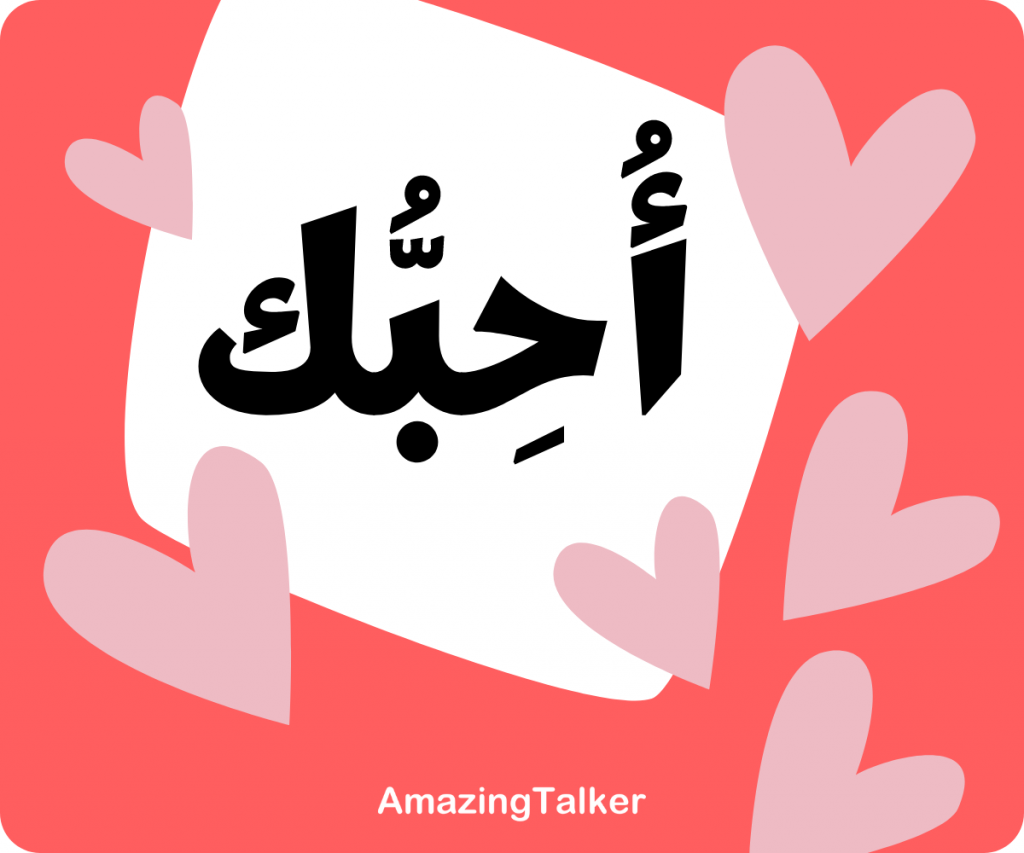
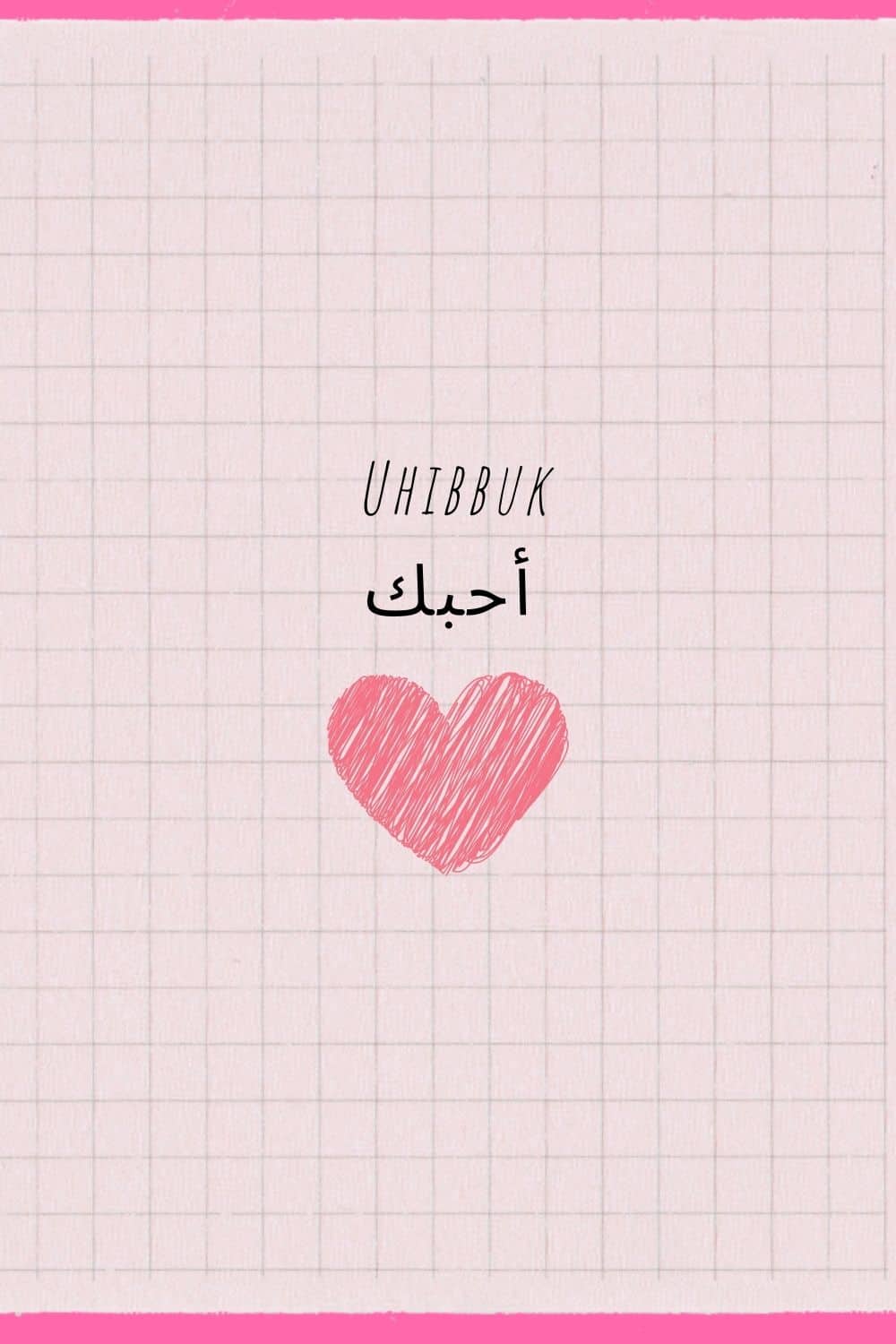
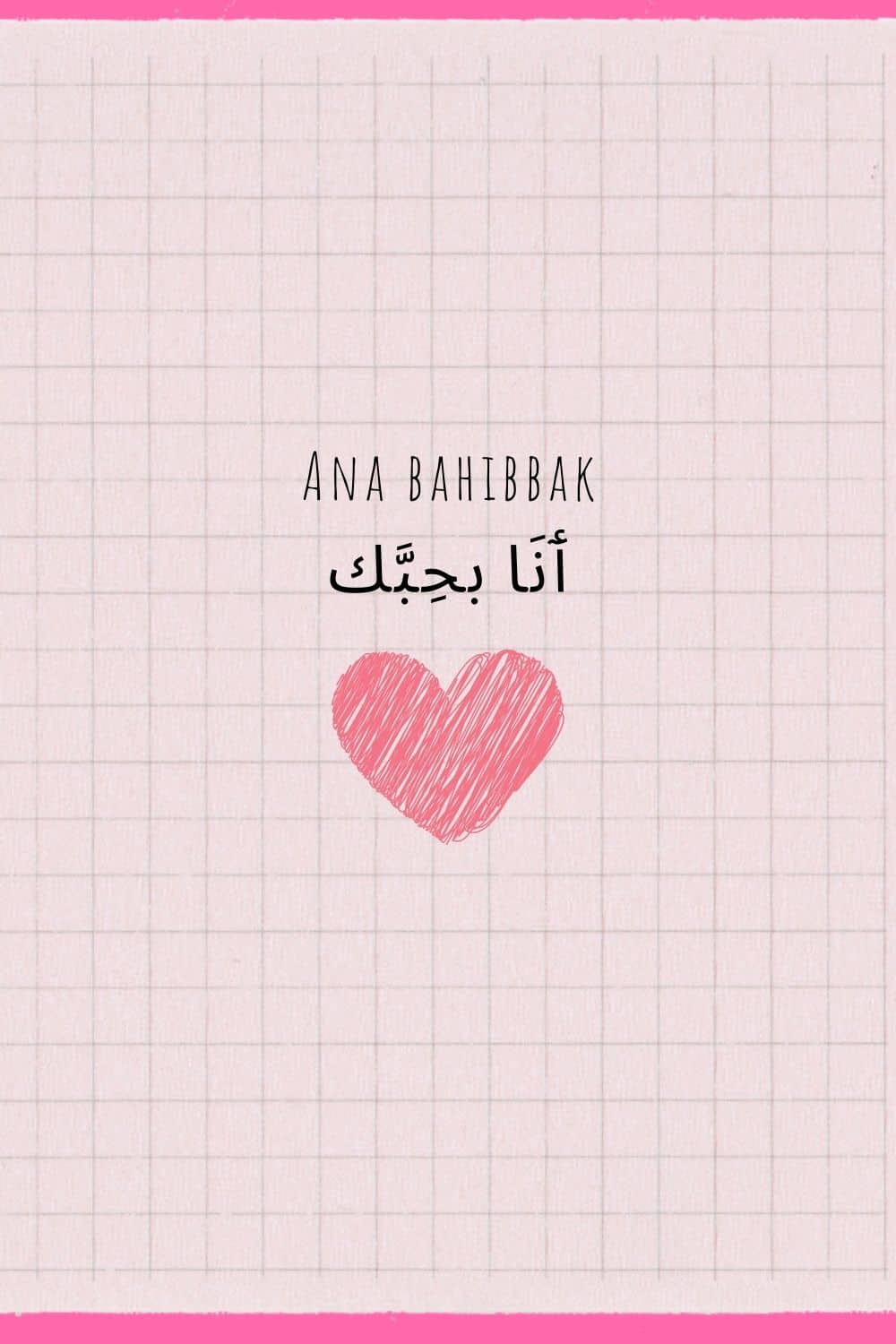
If you would like to learn how to say “I love you very much” in Arabic, there are a few different ways to do so. The most commonly used phrase to express this sentiment is “ana behibak” which literally translates to “I love you”. This phrase can be used to express strong feelings of love and affection for someone else. Additionally, there are other phrases that can be used to express similar sentiments such as “ana ahsan” which means “I love you a lot” and “ana inta habib” which translates to “I love you dearly”.
When it comes to pronunciation, the most important thing to remember is that the “h” sound is silent in Arabic. The phrase “ana behibak” is pronounced “a-na beh-ee-back”. Additionally, the “b” and “k” sounds should be pronounced softly, almost as if they were merged together. When saying the phrase, it is important to remember to emphasize the “ee” sound in the middle, as this is how the word will be understood.
When using the phrase “ana behibak” to express your feelings of love and affection for someone, you should ensure that you use the appropriate tone and body language. This phrase is a very intimate expression, so it should be used with someone that you care about deeply. Additionally, you should make sure that you maintain eye contact when saying the phrase and that you use a gentle and loving tone of voice.
If you would like to learn how to say “I love you very much” in Arabic, here is a step-by-step guide:
- Say the phrase “ana behibak” which translates to “I love you”.
- Ensure that you emphasize the “ee” sound in the middle of the phrase.
- Pronounce the “h” sound in the phrase as a silent letter.
- Say the phrase in a gentle and loving tone of voice.
- Maintain eye contact when saying the phrase.
Learning how to say “I love you very much” in Arabic is a great way to express your feelings of love and affection for someone. Whether you are a native speaker of the language or a non-native learner, you can use this phrase to show someone that you care about them deeply. Just remember to use the appropriate tone and body language when saying the phrase, and to emphasize the “ee” sound in the middle of the phrase.
traduction t'aime beaucoup dans le dictionnaire Français - Arabe de Reverso, voir aussi 'aimer',abîme',animé',âme', conjugaison, expressions idiomatiques On dit généralement bieishqak barcha (Je t’aime beaucoup) dans un contexte romantique lorsque l’on est en compagnie de sa moitié car c’est une phrase très intime. Elle vient du. Dire «Je t'aime» implique dévouement et l'engagement. قائلا: "أنا أحبك" ينطوي على التفاني والالتزام. Ravi de te voir papa. Je t'aime. من الرائع رؤيتك أيضاً أبي, أنا أحبّك. Je t'aime tellement, je dois y aller. أنا.
Le dictionnaire contient 4 traductions en arabe tunisien pour "je t'aime" : Je t'aime. →. en7ebek. Je t'aime. →. n7ebbek. Je t'aime. →. Arabe. Arabe. Français. Anglais. Langue source. search. close. clear. checkhistory. Détecter la langue. auto_awesome. Langues récemment sélectionnées ... En savoir plus sur ce. أنا أحبك حقا. أنا معجب بك كثيرا. حبي لك. إنني معجب بك. أنا معجبة بك حقا. أنا حقا مثلك. Je t'aime beaucoup, mais honnêtement, c'est un peu vrai que ton caractère pose quelques problèmes. أنا أحبك كثيراً لكن.
Elle est entre autres utilisée par les tunisiens pour écrire des SMS, chatter ou échanger sur internet. Elle a l’avantage de permettre de lire le dialecte tunisien sans avoir à apprendre.